Minecraft has gripped players for over a decade. This sandbox game has raked in billions and drawn millions into its blocky realms. Fans wait with bated breath for the live-action movie, set to hit screens soon. The first trailer sparked buzz and debate. It shows glimpses of how directors plan to turn pixelated adventures into big-screen tales.
The Shift in Visual Fidelity and Art Style
The game’s charm lies in its simple, block-based look. Yet the trailer pushes for a more polished, film-ready style. This move aims to draw in moviegoers beyond just gamers. It creates tension: how much of that chunky vibe stays?
Textural Realism vs. Iconic Voxel Geometry
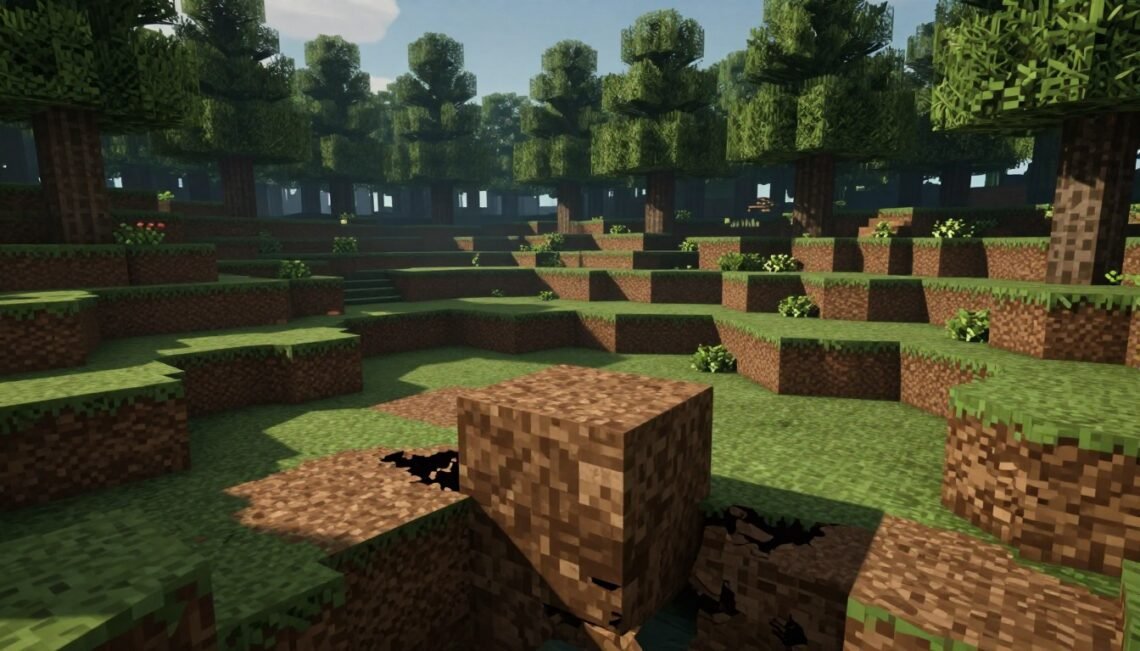
In the game, everything snaps into perfect cubes. Water flows in blue blocks, leaves stack like Lego, and skins show flat pixels. The trailer swaps this for smoother textures. You see rippling waves and detailed grass that sways in the wind.
This realism makes the world feel alive, but loses the game’s quirky, geometric heart. Players might miss that instant recognition of voxel magic. Think of it like turning a pixel art drawing into a photoreal sketch—cool, but not quite the same.
Lighting and Environmental Atmosphere
Minecraft’s light comes from torches and the sun, always clear and even. Shadows fall in hard edges, keeping things bright and straightforward. The trailer uses soft glows and deep shades to build drama.
Volumetric fog rolls through forests, and sunbeams pierce caves for epic shots. This amps up the mystery but dials down the game’s cheerful openness. It feels more like a fantasy film than a sunny build session. You wonder if this moody light will make mining trips scarier than fun.
Animation Philosophy: Stiff vs. Fluid Movement
Game characters jerk along in straight lines, mobs waddle with charm. That stiffness fits the blocky pace. The trailer smooths it out with flowing walks and leaps. Jason Momoa’s hero dashes like an action star, not a pixel puppet.
Creepers slink with eerie grace instead of their usual plod. This fluid style boosts excitement but strays from the game’s deliberate, clunky charm. It risks making the world feel less like your sandbox and more like a standard blockbuster.
Reimagining Iconic Mob Behaviour and Threat Level
Mobs define Minecraft’s dangers and delights. They pop up in trailers as key players in the plot. But cinema demands bigger stakes, so their roles twist. This could thrill new fans while old ones spot the tweaks.
The Creeper’s Cinematic Introduction and Scale
Creepers sneak up and boom in the game—pure surprise attacks you can outsmart with traps. The trailer makes one loom large, eyes glowing in the dark for a horror vibe. It charges with purpose, not random spawns.
This ups the fear factor, turning a jump-scare pest into a story villain. Players know Creepers as farm destroyers, easy to dodge at night. Here, it feels like a monster from a thriller. Does this make fights more intense or just over-the-top?
Non-Hostile Mobs in a Narrative Context
Pigs oink as mounts, cows give milk, villagers trade goods—all tools for survival. In the game, they fill the background without much story. The trailer weaves them into scenes, like a pig helping the hero escape or villagers rallying for aid.
This adds heart but ignores their simple, farm-animal roots. No more just chopping for food; now they drive the plot. It softens the harsh survival edge. You might smile at the cuteness, yet miss the raw utility.
The Wyverns/Dragon: Scope of the Final Boss Conflict
The Ender Dragon rules the End dimension in epic, multi-phase battles. Players portal in, dodge crystals, and strike with bows. If the trailer hints at this beast—or a wyvern stand-in—it soars with massive wings and fiery breath. The scale dwarfs the game’s arena fight, adding aerial chases and team tactics. This expands the threat but simplifies the grindy strategy. No more rebuilding portals mid-battle. It turns a tough raid into a spectacle showdown.
Character Focus and Narrative Structuring
Minecraft thrives on your choices—no set hero, just endless builds. The movie stars like Momoa and a young sidekick for a clear tale. This locks in a path, clashing with the freeform play.
Introducing the Protagonist vs. Player Agency
You craft your avatar’s story in the game, from noob to master builder. The trailer gives Momoa’s character a backstory, quirks, and goals right away. He quips and leads, unlike the silent player slate. This arc pulls you in but boxes out your input. Imagine playing as him—fun, yet it skips the joy of starting blank. Fans debate if this hero fits or forces a one-size-fits-all adventure.
The Role of Redstone and Complex Building
Redstone wires power contraptions, built block by block over time. It’s slow, trial-and-error magic. The trailer flashes quick builds: walls rise fast, doors swing open in seconds. No fumbling with circuits; it’s all smooth edits. This skips the patience of game crafting but keeps the pace snappy for film. You see inventions spark to life without the wait. It highlights creativity without the grind—smart for viewers, tough on purists.
Dialogue and Lore Integration
Game lore hides in books and ruins, found through digs. Potions brew silently, enchantments glow without words. The trailer drops lines explaining portals and spells. Heroes chat about over world rules, spelling out mechanics. This guides newbies but robs the discovery thrill. Instead of experimenting, you hear it told. It’s like a tour guide in your sandbox—helpful, but less mysterious.
Setting and Location Consistency: Overworld vs. Biome Specificity
The game’s world spawns endless biomes, from deserts to oceans. Movies need fixed sets, so the trailer blends them for flow. This crafts a tight story but loses the random vastness.
Biome Blending and Practical Set Design
Jump from taiga to mesa in one game chunk—pure chaos. The trailer smooths edges: a forest meets plains without abrupt shifts. Sets likely mix real builds with CGI for unity. This makes journeys logical but tames the wild variety. No more biome-hopping surprises. It feels crafted, like a theme park ride through merged lands.
- Forests gain misty edges for drama.
- Deserts link to caves seamlessly.
- Oceans crash with added waves.
You get a cohesive backdrop, easier to film.
The “Mine” in Minecraft: Underground Exploration
Deep caves pulse with lava and ores, torches your only light. Claustrophobia hits hard in the dark. The trailer dips below but keeps it wide and lit. Heroes swing picks with flair, not the tense creep. This tones down the risk for action beats. Mining becomes a bold quest, not a solo scare. It captures digs but skips the heart-pounding isolation.
The Absence of the User Interface (UI)
Hotbars show tools at a glance, and health bars tick with hunger. It’s your constant guide. The trailer drops all that—no crosshairs or inventory pops. Tension builds as you guess ammo or wounds. This immerses like real life but confuses game vets. How do they show crafting without grids? Subtle hints replace icons, forcing pure visuals.
Tonal Adjustment: From Sandbox Survival to Action-Adventure
Minecraft mixes calm builds with sudden fights. The trailer leans into chases and clashes, framing a high-stakes yarn. This hooks casual crowds but shifts from chill vibes.
Mature Themes vs. All-Ages Accessibility
The game suits kids with its open play, though nights turn tense. Trailer shots hint at peril—dark woods, looming threats—for a PG edge. It nods to isolation but amps danger over creativity. This broadens appeal yet mutes the kid-friendly wonder. You sense adventure first, sandbox second. Will it scare off young fans?
Action Sequences vs. Strategic Engagement
Combat in game means timing swings, blocking hits in blocks. It’s chess with swords. The trailer rolls out flips, rolls, and group brawls. Heroes vault mobs like parkour pros. This dazzles but skips the plan-ahead depth. Fights look fluid, not grid-bound. It trades smarts for spectacle—exciting, if shallower.
The Role of Humor and Developer Easter Eggs
Game laughs come from silly deaths or hidden nods, like Herobrine myths. The trailer tosses in quips and winks at fans—maybe a Steve hat or Pistons gag. These bridge old and new crowds. But jokes feel scripted, not emergent. It adds levity without the random fun.
Assessing the Adaptation Compromise
These five shifts—from visuals to tone—mark big leaps from trailer to game roots. Visuals go realistic, mobs gain depth, characters get arcs, settings tighten, and action surges. Each tweak serves the screen, making Minecraft movie trailer changes a bold bet.
They might wow outsiders, but dilute the free-build soul for die-hards. Still, the footage promises a fresh take, not a copy. What do you think—win or miss? Drop your views in the comments, and share if you’re hyped for the premiere. Let’s chat about these Minecraft movie differences!

