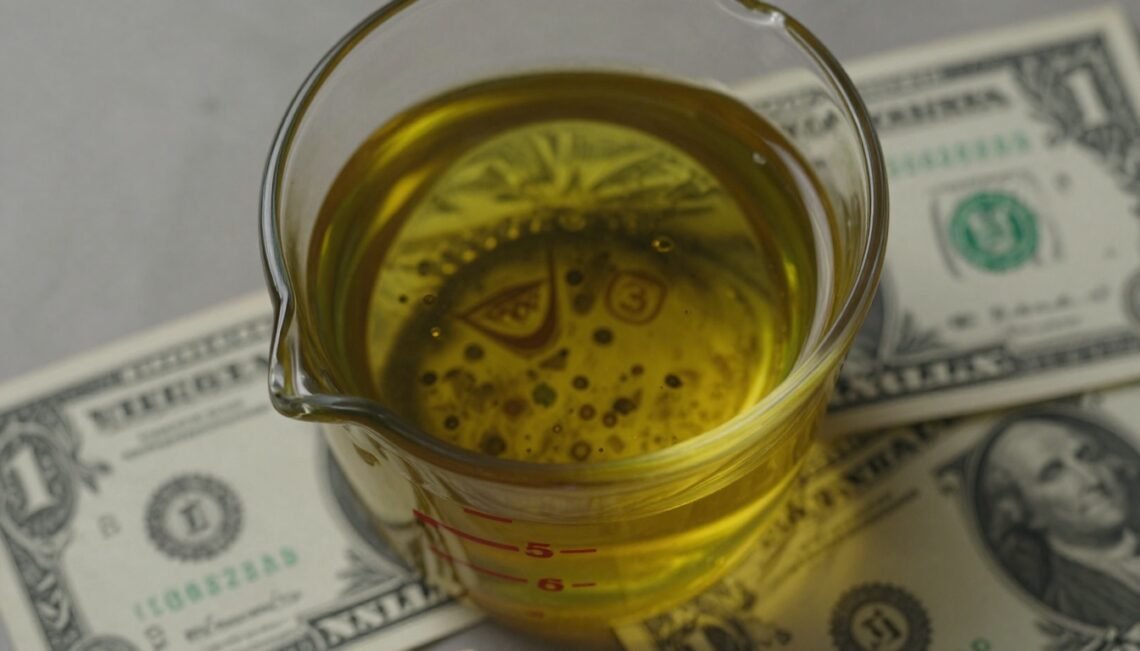
Did you know that small pours add up? A study from the American Cleaning Institute shows households waste over £100 a year on cleaning products alone due to poor measurements. Think about it: one extra splash here, a guess there, and your wallet feels the pinch without you noticing. Fluid ounces matter more than you might think.
A fluid ounce is a unit for liquids, equal to about 30 millilitres. It pops up in cooking, cleaning, and care routines. We often ignore it, but that leads to waste. This article spots five common fluid ounce errors that drain your cash. You’ll learn how to fix them and save right away.
Kitchen Calibration Catastrophes: The Cost of Guesswork in Cooking
Your kitchen hides sneaky money traps. Guessing amounts feels quick, but it costs you ingredients and time. Let’s break down the main blunders.
Beverage Bloopers: Inaccurate Coffee and Smoothie Portions
Coffee lovers grab the pot and fill it without checking. Single-serve machines like Keurig use K-cups that brew about 8 fluid ounces, but many add extra water for a weaker cup. This dilutes the flavour fast, so you buy more pods sooner.
Smoothies face the same issue. People cram blenders with fruit and pour milk past the line, hitting 16 fluid ounces when 12 would do. Extra liquid means you run out of yoghurt or berries quicker, adding £20 or more to your grocery bill each month.
Try this: Grab a standard measuring cup for water in your coffee maker. Skip the machine’s faded marks. For smoothies, mark your blender with tape at 12 ounces. These steps stretch your supplies and keep tastes strong.
Recipe Ruins: The Overuse of Oils and Syrups
Oils and syrups pack a price tag. Olive oil costs £5 a bottle, and a quick pour for salad dressing can double the needed amount. Eyeballing a tablespoon often gives 1.5 fluid ounces instead of 0.5. Maple syrup in pancakes does the same. You think it’s just a drizzle, but it turns into a flood. This not only ups calories—doubling oil might add 200 extra—but wastes cash on refills.
Picture a stir-fry: Too much balsamic vinegar sours the dish, so you toss it and start over. That’s £2 down the drain per meal. Measure with spoons marked in ounces. Your wallet and taste buds will thank you.
The Baking Blowback: Misreading Dry-to-Liquid Ratios
Baking needs balance. Too much milk in cookies makes dough soupy, and you bake flops. Recipes call for 4 fluid ounces of liquid, but a loose pour hits 6. Extracts like vanilla, just 0.5 ounces needed, get drowned at 1 ounce. Failed batches mean remaking, wasting flour, sugar, and time—often £3 per try.
Ratios matter in chemistry. Excess liquid soaks up dry goods wrong, leading to flat cakes. Use a clear cup on a flat surface. Eye level checks prevent errors. Save those batches and your budget.
Bathroom Budget Bleed: Over-Application of Personal Care Products
Bathrooms seem harmless, but pours here add up quick. Daily habits turn small bottles empty fast. Spot these slips to cut repurchases.
Shampoo and Conditioner Shenanigans: The Palm Pour Problem
Shampoo bottles last weeks, right? Wrong. Most folks squeeze a full palm, about 0.5 fluid ounces, when a dime-size—0.1 ounces—cleans fine. Conditioner follows suit. Long hair tempts more, but excess just rinses away. This halves bottle life, so you buy twice as often. At £4 a bottle, that’s £50 wasted yearly.
Soap scum builds from over-use too. Try a pump dispenser with marks for 0.1 ounces. Or dilute in a small bottle. You’ll stretch each drop and feel cleaner.
Lotion Liberation: Dousing Skin in Excess Moisturizer
Post-shower, you pump lotion like it’s free. One squirt is 0.2 fluid ounces; many use three. Skin absorbs some, but the rest rubs off on clothes or sheets. This wastes product and stains fabrics. A £6 tube vanishes in days instead of weeks.
Dry skin craves moisture, but less works if you rub it in well. Warm your hands first. Apply in thin layers. You’ll save lotion and keep your outfits spot-free.
Oral Care Oversight: Toothpaste and Mouthwash Mismanagement
Toothpaste tubes shrink fast from big dabs. Experts say a pea-size, 0.1 fluid ounces, brushes teeth right. But squeezes often hit 0.3 ounces. Mouthwash gurgles longer too—30ml (1 ounce) for 30 seconds, yet people swig 2 ounces. Bottles empty in half the time, costing £20 extra a year.
Brushing longer doesn’t clean better with more paste. Measure with a small spoon once to learn the feel. For mouthwash, use a marked cup. Healthy smiles without the extra spend.
Laundry Leakage: Detergent Dosing Disasters
Washing clothes hides big wastes. Detergents promise clean, but wrong amounts backfire. Learn the right doses to save loads.
Detergent Deciphering: Why Overfilling the Cap Costs You
HE washers need less soap. Old habits fill caps to the top—2 fluid ounces—when the HE line means 0.5 ounces. Suds build, but residue clings to clothes, making them dingy. You rewash, using more water and power. At £10 a bottle, overfill wastes £30 yearly.
Experts from Procter & Gamble note too much detergent cuts cleaning power. It traps dirt instead of rinsing. Check your cap’s lines. Start low and adjust. Clothes stay fresh longer.
Fabric Softener Folly: The Scent Overload Tax
Softener scents linger, but excess harms. A capful is 1 fluid ounce; pours often double it. Fabrics lose breathability, leading to quicker wear. Towels stiffen, clothes pill. This shortens item life and ups replacement costs.
Concentrated formulas pack punch in small doses. Measure precisely. Your laundry smells good without the waste or damage.
Cleaning Chemical Conundrums: Dilution Destruction
Cleaning supplies promise sparkle, but wrong mixes squander them. Bulk buys save upfront, but errors erase gains. Fix these for a tidy home on budget.
Surface Cleaner Shortcuts: Skipping the Dilution Steps
Concentrate cleaners need mixing. Labels say 1 fluid ounce per gallon, but sprays go straight on counters—wasting 5 ounces per clean. A £15 jug lasts months diluted, weeks undiluted. Guesswork means uneven strength, so you scrub harder.
Buy a 32-ounce spray bottle with ounce marks. Mix batches ahead. You’ll clean better and stretch supplies far.
Dish Soap Drain: The Sink Full of Suds Syndrome
Hand-washing dishes? Suds fade, so you add more soap—0.5 ounces extra per sink. Hot water alone revives them. Monthly, that’s 2 ounces wasted, or £5 on a £3 bottle.
Suds fool you into overdoing it. Test with less next time. Add water first when they drop. Sinks shine without the drain.
The Solution Toolkit: Measuring Tools That Pay for Themselves
Tools turn errors into savings. Cheap buys recover costs fast. Pick these for precision.
Investing in Precision: Essential Kitchen and Home Measuring Devices
Start with an OXO Good Grips cup—clear ounces for liquids, under £10. It handles water, oil, milk. For tiny bits like extracts, grab a 10ml graduated cylinder, £5 online. Reusable spoons for oils prevent slips.
Use the cup for all pours, even spoon sizes. These gadgets cut waste in weeks. Your kitchen runs smoother too.
Digital Discipline: Utilizing Small Kitchen Scales for Volume Conversion
Scales beat cups for accuracy. Weigh 30g water for 1 fluid ounce. Densities vary—oil at 28g per ounce—but lookups fix that. A £15 digital scale ends guesses in baking.
Search “ingredient density chart” for conversions. Grams to ounces saves failed recipes. Precision pays off quickly.
Conclusion: Recalibrating Your Consumption for Maximum Savings
Fluid ounce errors sneak into kitchens, bathrooms, laundry, cleaning, and tool use. Kitchen guesses ruin recipes. Bathroom pours empty bottles fast. Laundry doses leave residue. Cleaning skips dilute savings. Without tools, habits stick.
Key points: Measure every time. Small fixes compound—save £200 yearly easily. Track one area this week. Awareness cuts waste now. Start today, watch your money grow.
