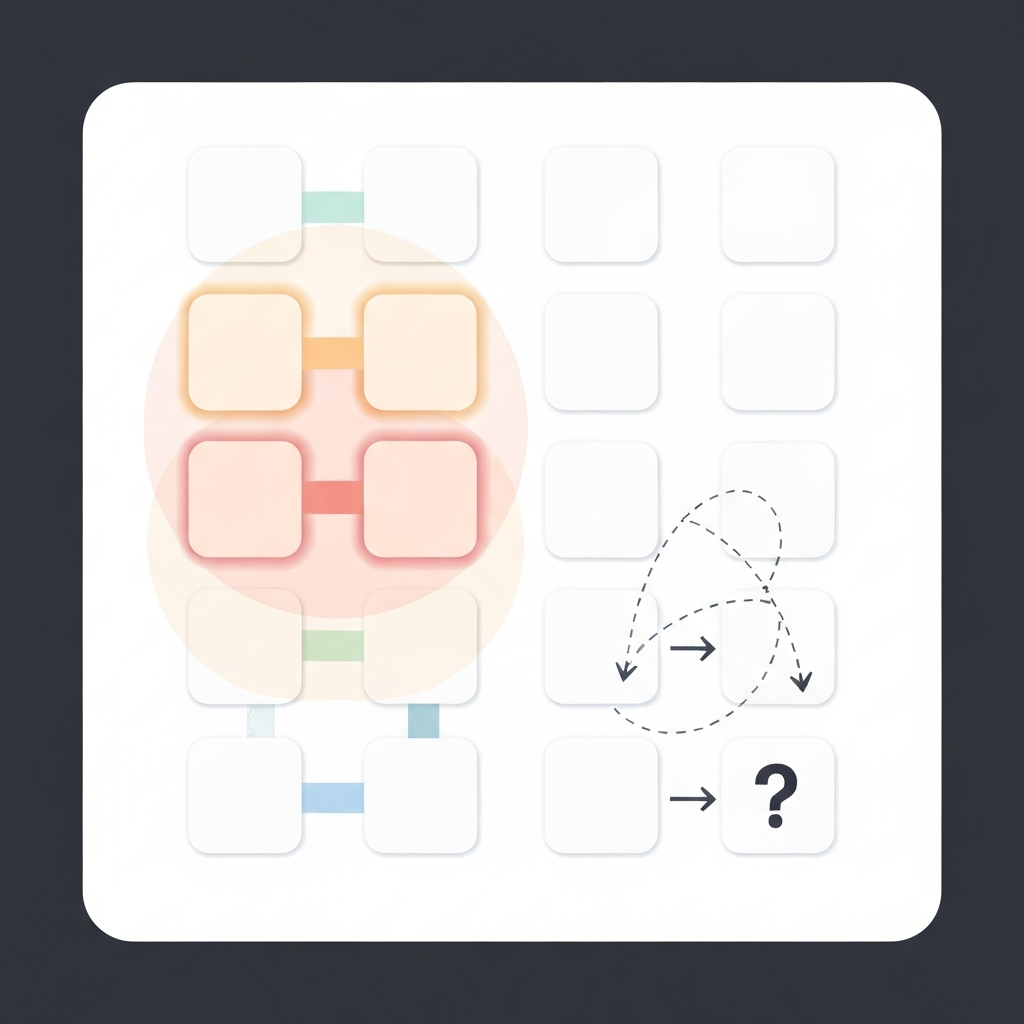
Did you know that the popular New York Times Connections game challenges players to find hidden relationships between words? This engaging puzzle game has captured the attention of many, offering a daily mental workout. If you’re curious about how to master this word association challenge, you’ve come to the right place. Understanding the core mechanics is the first step to becoming a Connections pro.
Understanding the Basics of Connections
The game presents players with a grid of 16 words. Your goal is to group these words into four distinct categories of four words each. The challenge lies in identifying the connections that link these words, often based on themes, wordplay, or shared meanings.
Identifying Categories
Categories can be straightforward, like types of fruit or things found in a kitchen. However, they can also be more abstract, requiring a deeper level of word association. For instance, words might be linked by their starting letters, their ending letters, or even by phrases they commonly appear in.
Strategies for Finding Connections
To excel at the Connections game, a few strategic approaches can be helpful. It’s often beneficial to start by looking for the most obvious pairings. Do any four words immediately strike you as belonging together? Sometimes, these easier categories can unlock the more difficult ones.
The Power of Elimination
If you’re struggling to find a category, try grouping words that don’t seem to fit together. This process of elimination can help you narrow down the possibilities and reveal potential connections you might have overlooked. You can find more information on word games and puzzles on Wikipedia’s page on word games.
Beware of Red Herrings
The game designers often include words that seem like they belong to a category but are actually meant to mislead you. These “red herrings” can be frustrating, but recognizing them is part of the puzzle-solving process. Patience and careful consideration are key.
Getting Started with Today’s Hint
For those looking for a little help with the latest daily puzzle, checking out a Connections hint can provide a useful nudge in the right direction. These hints are designed to offer just enough guidance without giving away the entire solution, allowing you to still enjoy the satisfaction of solving it yourself.
Frequently Asked Questions
What if I get stuck?
If you’re completely stuck, it’s perfectly fine to take a short break and come back to the puzzle with fresh eyes. Sometimes, stepping away allows your brain to make new connections. You can also try the elimination strategy mentioned earlier.
How many mistakes can I make?
The game typically allows for a limited number of mistakes before it locks you out for the day. It’s wise to be thoughtful about your guesses. For general information on puzzle strategies, you might find resources on Forbes’s articles on cognitive skills helpful.
Are the categories always obvious?
No, the categories can range from very straightforward to quite complex and abstract. This variety is part of what makes the game so challenging and rewarding. For more on how the brain makes connections, you could explore resources from Harvard Business Review.
Can I play past games?
The standard New York Times Connections game offers a new puzzle each day. However, some platforms or websites might offer archives or similar games that allow you to play older puzzles.
Conclusion
The Connections hint game is a fantastic way to sharpen your vocabulary and critical thinking skills. By understanding the basic rules, employing strategic thinking, and knowing when to seek a gentle hint, you can significantly improve your performance and enjoy the daily challenge. Remember, the most important aspect is to have fun while exercising your mind.